Why Your KPLC Tokens Are Shrinking: 5 Surprising Truths About Your Power Bill
It is a scenario played out in neighborhoods across Kenya every day: you and your neighbor both spend KSh 1,000 on M-Pesa for electricity tokens. You walk away with 38 units, while they get 51. Before you suspect a meter malfunction or “sorcery,” it is important to understand that Kenya Power (KPLC) pricing is not a random lottery. It is a structured, data-driven system that can be mastered. I see this “neighbor envy” frequently, and the answer almost always lies in your consumption history and the invisible variables that dictate your effective rate.
The “30-Unit Trap”: Your Tariff is a Moving Target
The most significant factor in your bill is your Domestic Tariff category. KPLC uses a tiered system that groups households into three specific brackets based on monthly consumption. Precision here matters because crossing a single unit threshold can drastically alter your “cost per light.”
- Domestic 1 (DC1-L) / Lifeline: For low consumption under 30 units per month. Base rate: KSh 12.23.
- Domestic 2 (DC2-O) / Ordinary: For medium usage between 31 and 100 units. Base rate: KSh 16.45.
- Domestic 3 (DC3-O) / High Consumption: For heavy usage starting at 101 units. Base rate: KSh 19.08.
The “trap” occurs when you inadvertently cross the 30-unit threshold. Moving from Lifeline to Ordinary results in a staggering 43.7% increase in the base price per unit. In this context, simple habits like regularly boiling water with an electric kettle are often the “luxury” that pushes a budget-conscious household into a more expensive bracket.
The Three-Month Memory: Why One “Light” Month Won’t Save You
Many consumers believe that if they minimize their usage this month, they will immediately see more units in their next token purchase. However, KPLC utilizes a rolling average mechanism. Your tariff placement is determined by your average consumption over three consecutive billing cycles, not just the current month’s usage.
If you have been a high consumer (Domestic 3) and suddenly decide to save power, you will remain in that expensive bracket for a while. To move back down to a cheaper tier, you must maintain low usage for three consecutive cycles.
Strategist’s Note: Avoid buying tokens in large “stockpile” chunks at the end of the month if you are close to a threshold. This can inadvertently push your 3-month average up, locking you into a higher tariff for the next quarter.
The “Invisible” Bill Killers: Pass-through Charges
Even if your consumption remains identical, the units you receive fluctuate due to variable pass-through charges approved by EPRA. These are added to the base rates mentioned above to create your “fully loaded” cost.
- Fuel Energy Cost Charge (FCC): Reflects the cost of thermal power plants and global oil prices. In November 2025, this sat at KSh 3.81 per unit.
- Foreign Exchange Rate Fluctuation Adjustment (FERFA): Accounts for the shilling’s performance against the dollar, critical since many power purchase agreements are dollar-denominated.
- Inflation Adjustment (IA): A variable rate reviewed twice a year.
- Taxes and Levies: Every purchase includes a 16% VAT, a 3-cent EPRA levy, and a 5% Rural Electrification Programme (REP) levy.
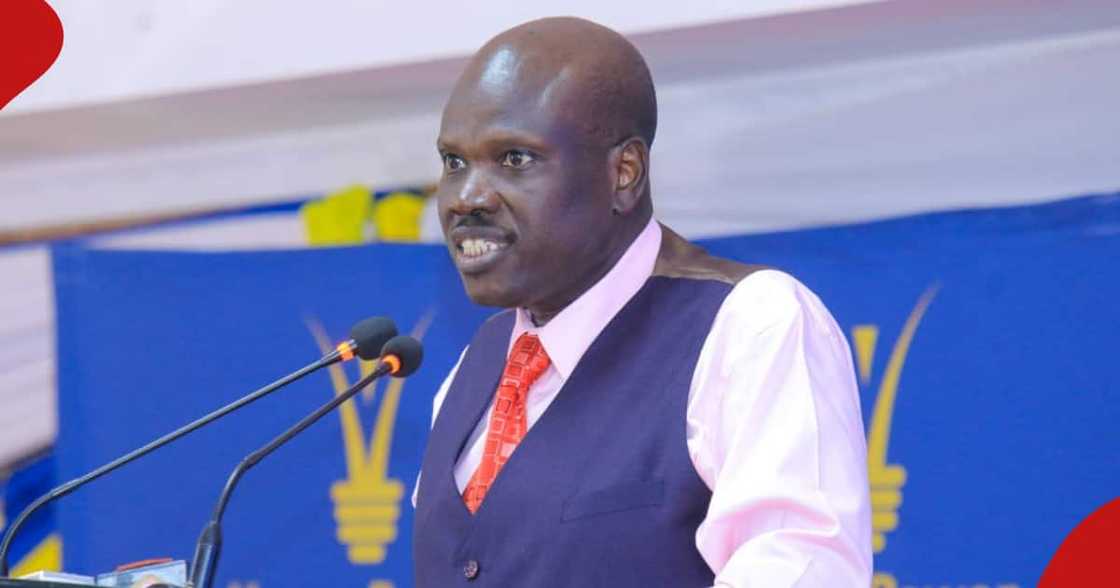
“These variables aren’t just numbers; they shape what you pay,” explains KPLC Manager Richard Wida. “They reflect real-time costs in power generation and imports.”
The Debt-First Rule: KPLC Takes Its Cut Before You Get Light
One of the most common causes of “token disappointment” is the automatic deduction system. KPLC’s system is designed to prioritize debt recovery. Up to 20% of any token purchase can be diverted to clear past arrears before units are calculated.
This doesn’t just apply to unpaid bills. Debt can also stem from “wayleave” infrastructure installation proposals, where the cost of moving lines or installing poles for your connection is recovered over time through your token purchases. If you buy tokens for KSh 3,000 and receive unexpectedly few units, it is likely that KSh 600 was immediately siphoned to settle these outstanding balances.
The Solar Math: Is the 3-5 Year Wait Worth It?
To truly understand why your bill feels high, we must look at the effective rate. While the base rates are KSh 12.23–19.08, the “fully loaded” cost KPLC charges (inclusive of all taxes and pass-throughs) averages approximately KSh 28 per unit.
Compare this to the math of a modern solar installation:
- Cost Comparison: Solar energy averages approximately KSh 9.4 per unit when the initial investment is amortized over the system’s life.
- The Payback Period: It takes roughly 3-5 years for a solar system to pay for itself compared to equivalent KPLC spending.
- The Long Game: By using a Lithium Battery, which has an estimated life of 15 to 20 years, you are essentially securing more than a decade of “free” power after the initial 3-5 year recovery period.
Conclusion: Taking the Power Back
Understanding your bill is the first step toward financial energy independence. Do not guess your category—verify it. You can track your consumption and tariff bracket by dialing *977# on your phone:
- Select 1: Prepaid (Token)
- Select 2: Token Details
- Select your meter and view your recent purchase breakdown.
The tiered system is designed to incentivize efficiency, but it requires consistent monitoring. As you look at your next token receipt, ask yourself: is your current household routine worth the “Domestic 3” price tag, or is it time to let the solar math challenge your status quo? The power, quite literally, is in your hands.