Every hot shower in your home has a price. With an instant shower, one 15-minute shower uses a bit over 1 unit of electricity. For a family of six, that's 7 to 8 units a day, just for bathing.
Most Kenyan homes heat water this way because it's what came with the house. But it's rarely the cheapest option to run. So who's paying more for the same hot shower, and how do you make sure it isn't you?
If you're looking for the best water heater in Kenya for your home, here's how the four common options honestly compare.
The four options at a glance
Instant showers: cheap to buy, expensive to run
Most Kenyan homes start here. An instant shower costs little to buy, but it's one of the most power-hungry appliances in the house.
That adds up fast. At a bit over 1 unit per 15-minute shower, every person, every day, a family of six uses 7 to 8 units a day just for bathing.
They also carry a safety risk. With poor earthing, an instant shower can give an electric shock.
Electric boilers: hot water on tap, at a price
An electric boiler heats a full tank with an element, then keeps it hot. You get plenty of hot water, but you pay to heat the whole tank and to keep it hot while it waits.
Solar water heaters
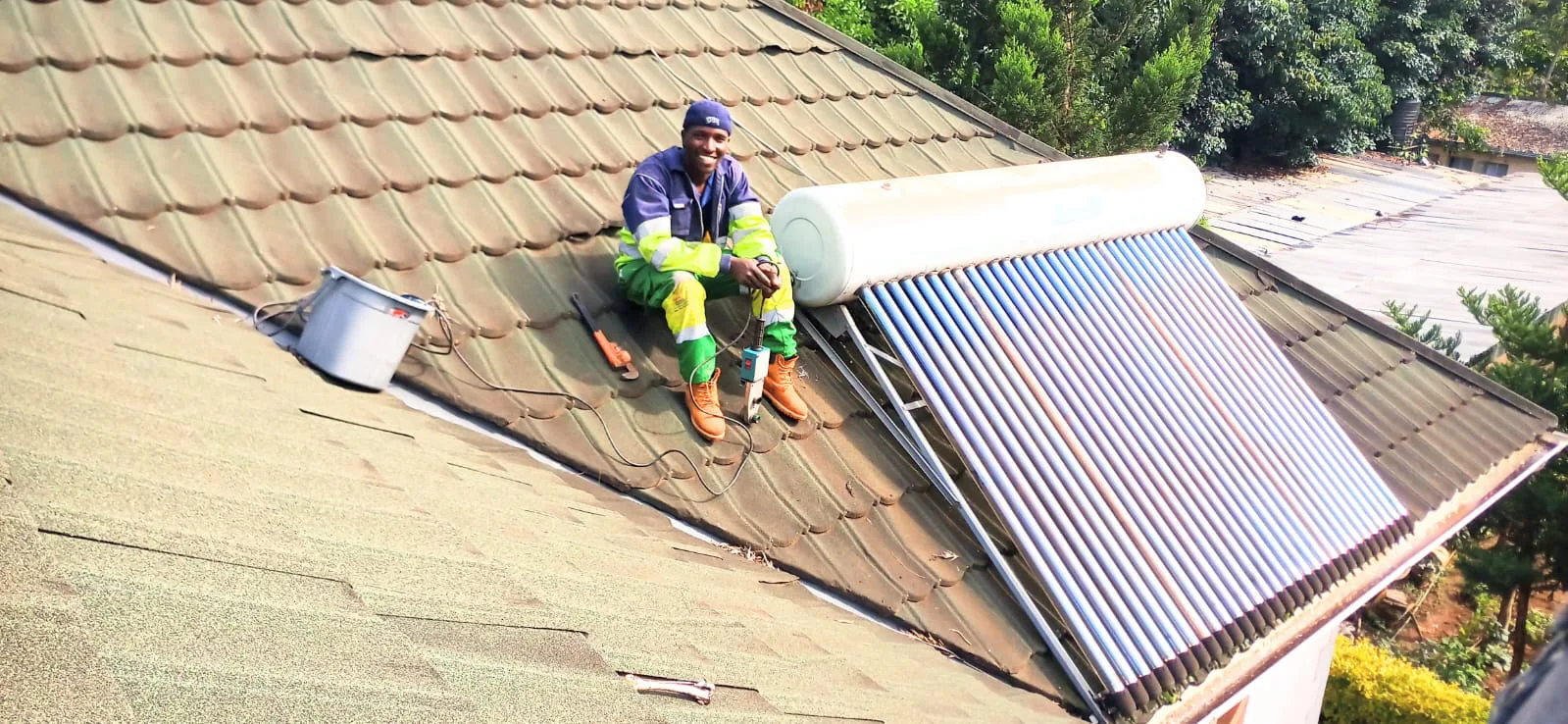
A solar water heater uses collectors on your roof to heat water with the sun, and stores it in an insulated tank. An electric element inside the tank acts as backup.
Where it shines
- Free heat on sunny days. When the sun is strong, your hot water costs nothing.
- Made for sunny regions. In hot, sunny areas like the coast and much of northern and eastern Kenya, the sun does nearly all the work and the backup element rarely switches on.
- Works without electricity. It keeps heating while the sun shines, even during a KPLC outage.
- Simple, with long life. Few moving parts, and a well-made stainless steel system lasts many years.
What to know
- It heats when the sun shines, not when you shower. Water heated during the day is hottest in the evening. An insulated tank holds that heat overnight, and a timer on the backup element can top it up just before the morning showers.
- Cold, cloudy weather means more backup. In cooler areas, the backup element has to finish the job more often. That uses more electricity, which makes a solar water heater less energy efficient in cooler regions.
- The backup element is a heavy load on a home solar system. If it runs from batteries, it can drain them quickly.
Heat pumps
A heat pump works like a fridge in reverse. A special fluid inside it soaks up warmth from the surrounding air. A compressor then squeezes that fluid, which makes it much hotter, and that heat passes into an insulated water tank. That's why it uses far less electricity than other water heating solutions: under 2 units a day for a family of six.
Where it shines
- Low running costs, all year. It uses a fraction of the electricity of an instant shower or electric element.
- Works in cool and cloudy weather. It doesn't depend on direct sun, so it keeps working through the cold season.
- Hot water when you need it. It can be set to heat at the times your household uses hot water, such as early morning.
- Stays hot through outages. Its well-insulated tank keeps stored water hot for up to 48 hours, even when KPLC is off.
- Pairs well with home solar. It draws far less power than a heating element, so it can run from your solar panels during the day.
What to know
- It needs electricity to heat. During an outage, the stored water stays hot, but the heat pump can't reheat it until power returns. In an area with very frequent or long outages, a heat pump alone won't solve the problem, unless it runs on a solar system with batteries.
- Higher upfront cost. It usually costs more to buy than a solar water heater of a similar size.
So, which one is right for you?
There's no single best water heater. The right one depends on where you live, when your family showers and how you get your power.
- A solar water heater suits you if you live in a hot, sunny area or you want hot water without depending on electricity.
- A heat pump suits you if you live in a cooler area or you run your home on solar.
Still on instant showers? Either option will use far less electricity, and take a safety risk out of your bathroom.
Not sure which is right for you?
We install both, so our advice isn't tied to one product. Tell us where you live and how many people are in your home, and we'll recommend the right one.
💬 WhatsApp Us →Frequently asked questions
How much electricity does an instant shower use?
A bit over 1 unit for a 15-minute shower. For a family of six, that's 7 to 8 units a day just for bathing.
What is a heat pump water heater?
It heats water by moving warmth from the surrounding air into an insulated tank, much like a fridge working in reverse.
Does a solar water heater work in the cold season?
Yes, but less well. On cold or cloudy days, its electric backup element finishes the heating, which uses more electricity than on a sunny day.
Will I have hot water during a power outage?
With a solar water heater, yes, while the sun shines. With a heat pump, the water already in the tank stays hot for up to 48 hours, but it can't reheat until power returns.
Which water heater is cheapest to run?
In sunny areas, a solar water heater can cost almost nothing to run. In cooler areas a heat pump usually costs less over the year.
What size water heater do I need for my family?
It depends on how many people live in your home and how much hot water you use. See our recommended sizes on our Water Heating Solutions page.